


Arc'teryx new fall products

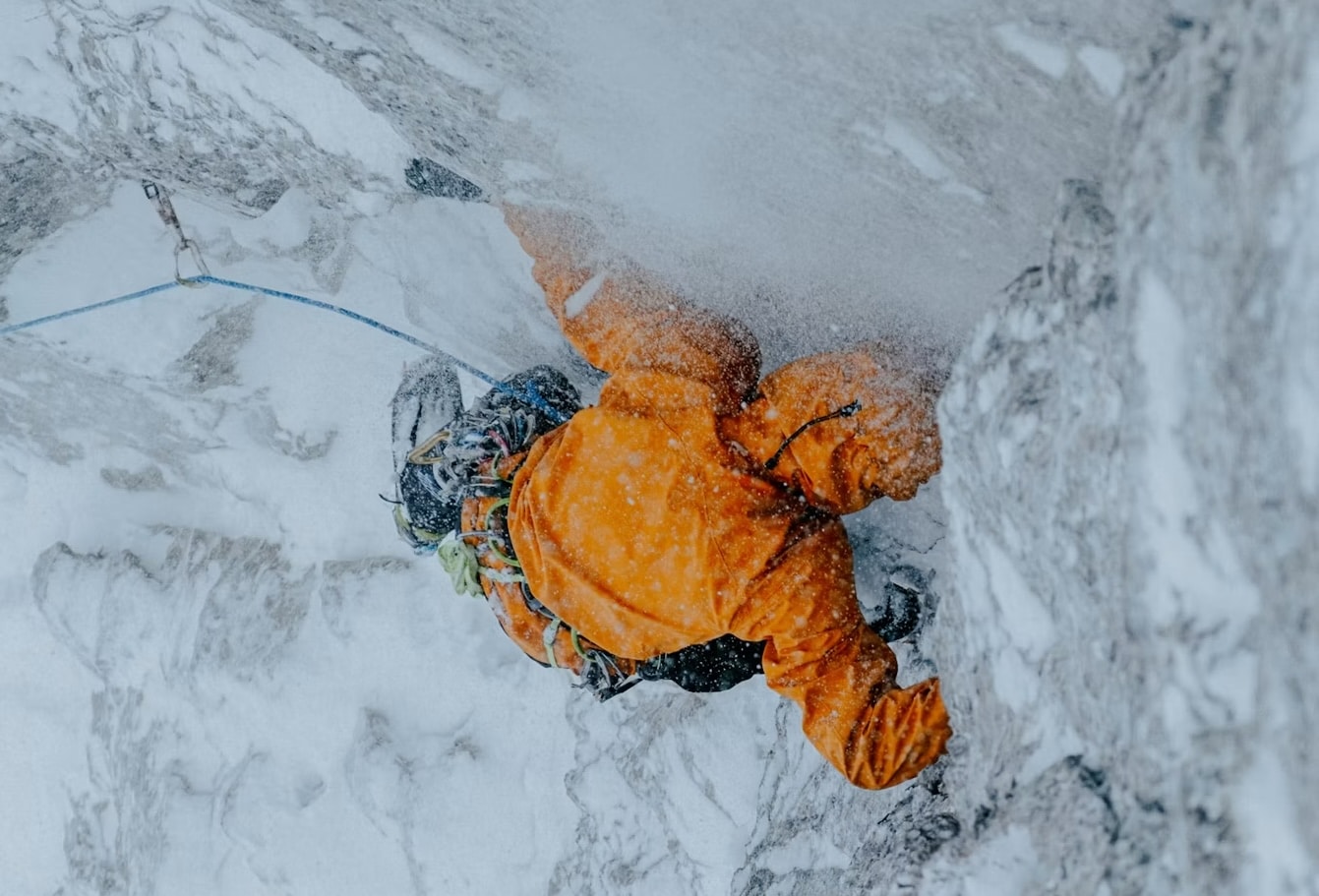
Arc'teryx just put a price tag on circularity, and it's a whopping $1,200. The Arc'teryx Sperro SV Jacket — the first to be built on the brand's new System 0 platform — is a GORE-TEX PRO ePE hardshell made from chemically recycled ECONYL nylon and engineered from the outset to eventually be disassembled and turned back into new fabric when it's finally worn out. For anyone in the market for a new high-performance, multisport Arc’teryx shell, the Sperro SV is an intriguing counterpoint to the existing Alpha SV and the Beta SV jackets.
To be clear, this is a first-look at the Sperro SV, not a hands-on field review. The short version: at 502g (men's size medium), it’s just slightly heavier than both the Alpha SV (492g) and the Beta SV (480g) while promising similar all-weather protection and durability. Unique to the Sperro SV is three years of free repairs through Arc'teryx's ReBIRD program. Whether that justifies a $1,200 outlay over the SV variants from the established Alpha and Beta lines is a question I'll walk through below.
First Impressions
The Sperro SV (SV stands for Severe Weather in Arc’teryx product lexicon) features 70-denier 3L GORE-TEX PRO ePE, a helmet-compatible StormHood, and a fit built around layering — all hallmarks of Arc'teryx's most weatherproof shells. What's different is where the fabric comes from. Arc'teryx says it sourced recycled ECONYL yarn from Aquafil, then worked directly with GORE-TEX to build a proprietary ePE laminate around that recycled nylon. This isn't a recycled-face-fabric-over-standard-membrane compromise; rather, the entire 3-layer face, membrane, and backer is designed to be recyclable at end of life, and the jacket carries TESTEX Circularity certification to back that claim up.
I think the pocket layout is one of the more noteworthy design details to take note of with the Sperro SV. On the exterior, Arc'teryx has gone with two baffled chest pockets and dual harness-compatible hand pockets — one more than the Beta SV and twice as many as the Alpha SV. But unlike those existing models, the Sperro SV appears to lack any internal dump pockets — a noticeable trade-off for those of us used to stashing skins and other bulkier items against our body on big days.
ALSO: Read our breakdown of Arc'teryx's best jackets for skiing and snowboarding
The other first-impression standout is the hardware. Arc'teryx says this is its first performance shell with an easily replaceable main zipper slider. Sliders have historically been a common failure point on high-mileage hardshells, and one that usually meant sending the entire jacket in for warranty work. Pairing that with 80-plus other ReBIRD repair options, all complimentary for three years, perhaps changes the math slightly on a $1,200 purchase. Part of Arc'teryx's pitch with the Sperro SV: you're not just buying a shell, you're buying three years of not worrying about failure points that would sideline a cheaper jacket. Whether that helps justify the four-figure price tag is up to you.
The Sperro SV comes in both men's and women's variants as well, with the only discernible differences being the gender-specific cuts and colorways. Yes, the women's version is also $1,200 USD.
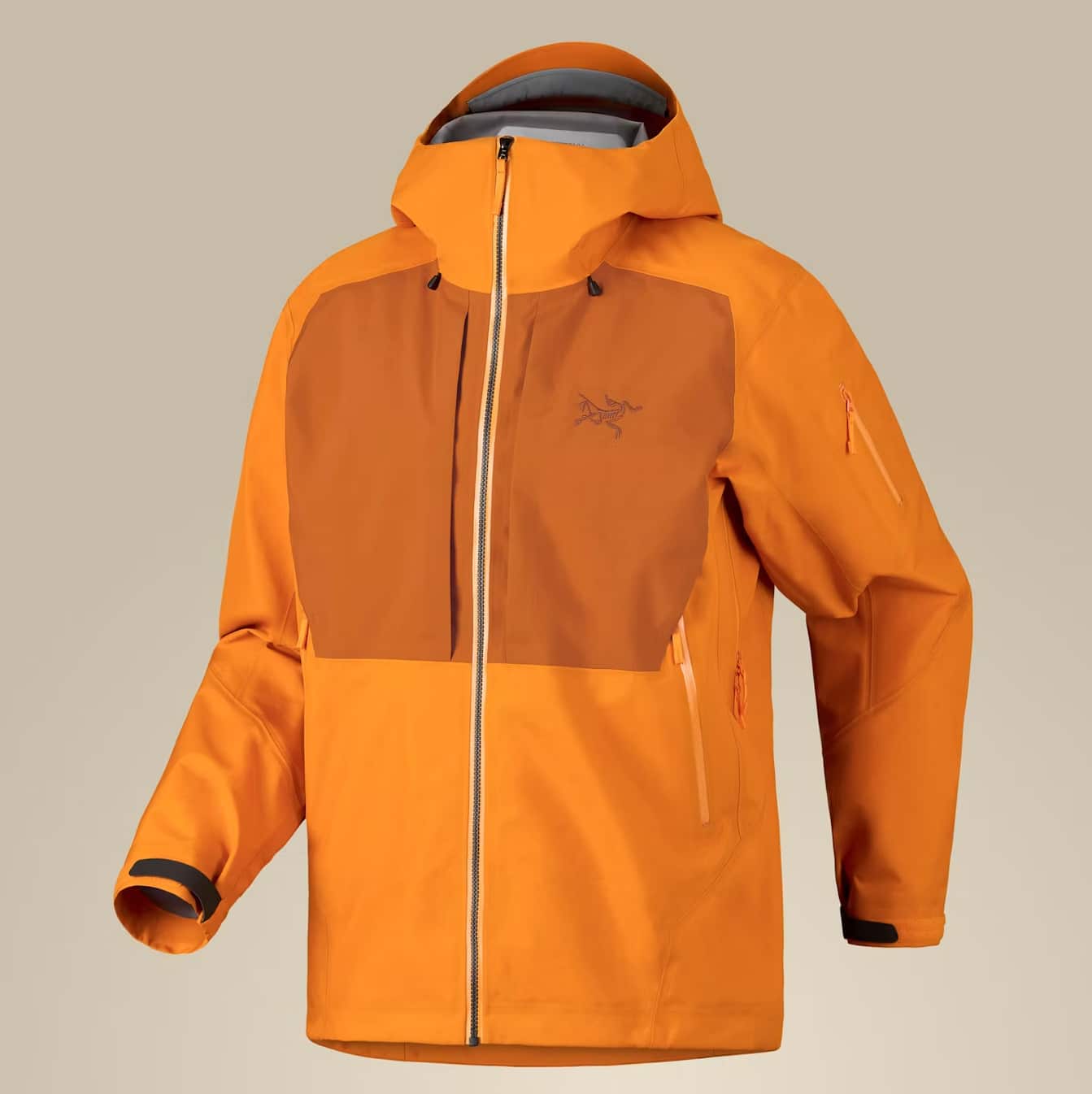
The Sperro SV was released in two colorways for men: Blaze/Dark Blaze (pictured) and Cloud/Black. Women's colorways are Renegade/Dark Renegade and Kasumi/Moonstone.
How It Compares: Sperro SV vs. Alpha SV vs. Beta SV
Arc'teryx's SV line has meant one thing for years: maximum protection, minimum compromise, built for the worst conditions the mountains can produce. The Sperro SV enters that conversation with a sustainability angle neither the Alpha SV nor the Beta SV can offer, which makes the comparison a little less about which jacket is more bombproof and more about which jacket matches your activities as well as your values.
I'd frame the decision this way: the Alpha SV remains the superior shell for technical alpine climbing and mountaineering, where a more climbing-specific cut and pocket placement are essential. The Beta SV is still the better value if sustainability credentials aren't a priority and you want SV-level protection without the premium. The Sperro SV is for the buyer who wants that same protection level but also wants the jacket's origin and end-of-life story to jive with an environment-first mentality. Whether that story is worth the extra $300 to $400 over the other two SV options is a personal calculation.
The Sustainability Claims, Explained
A hardshell is a fully waterproof, non-insulated outer layer designed to block wind and precipitation while venting excess heat and moisture — that part hasn't changed. What's new with the Sperro SV is how Arc'teryx is sourcing and disposing of the materials that make it happen.
Recycled input: The Sperro SV’s face and backer fabric use ECONYL nylon, a chemically recycled yarn sourced through Aquafil, rather than virgin nylon.
PFAS-free DWR: The durable water repellent finish is rated FC0, meaning it's manufactured without intentionally added PFAS — a distinction we've covered in more depth in our PFAS-free jackets guide. Note that almost all other Arc’teryx jackets also come with a PFAS-free DWR.
TESTEX Circularity certification: This is a third-party standard Arc'teryx helped develop, verifying the Sperro SV is durable, repairable, and can actually be recycled at end of life — not just marketed that way.
Closed-loop recycling: When the jacket is beyond repair, ReBIRD disassembles it and sends the recoverable nylon back to Aquafil, which spins it into new ECONYL yarn — the same material a future jacket could be built from.
MORE: Outdoor Crunch's Guide to PFAS-free Rain, Snow and Ski Shells
Who Should Buy It / Who Should Skip It
Buy the Sperro SV if:
You want SV-tier weather protection and you're willing to pay a premium for a jacket built on recycled and recyclable materials.
You put real mileage on hardshells and want the three-year complimentary repair program and replaceable zipper slider to offset long-term wear.
Your use spans multiple disciplines — hiking, climbing, and ski touring or resort days — where the streamlined pocket layout won't feel limiting.
Skip it if:
You're a dedicated alpine climber who wants pocket placement and cut optimized specifically around a harness and rack — the Alpha SV is still the more purpose-built option there.
Budget matters more than materials sourcing — both the Alpha SV and Beta SV deliver comparable core waterproofing for hundreds of dollars less.
You want a jacket with a more traditional, higher-capacity pocket configuration for stashing gear on long days.
FAQ
Is the Arc'teryx Sperro SV worth $1,200?
It depends on what you're weighing it against. Compared to the Alpha SV ($900) or Beta SV ($800), you're paying a premium of more than $300 for recycled materials, TESTEX Circularity certification, a made in Canada distinction, and three years of complimentary ReBIRD repairs. If those factors matter to you, the price is defensible; if you just want maximum weather protection at the lowest cost per dollar, the Alpha SV or Beta SV cover similar core protection for meaningfully less.
What is GORE-TEX PRO ePE?
ePE stands for expanded polyethylene, a newer GORE-TEX membrane technology that replaces the traditional ePTFE membrane used in older GORE-TEX PRO products. It's designed to offer comparable waterproof, windproof, and breathable performance while using a different, more easily recyclable base material.
How is the Sperro SV different from the Alpha SV?
The core waterproofing tier is similar, but the Alpha SV is cut and pocketed specifically for technical alpine climbing, while the Sperro SV uses a streamlined, harness-compatible pocket layout built for a broader range of activities. The Sperro SV also adds recycled ECONYL nylon, TESTEX Circularity certification, and the bundled ReBIRD repair program, none of which the Alpha SV currently offers.
Is the Sperro SV good for ski touring?
Arc'teryx lists ski touring and resort use among its intended activities, and the RECCO reflector and helmet-compatible StormHood both support that. The streamlined pocket count is worth considering if you're used to stashing skins or a beacon in a dedicated jacket pocket — plan your layering system accordingly. If you ski resorts, the Sperro SV and the Alpha SV both have RFID upper arm pass pockets; the Beta SV doesn’t.
What size should I get in the Sperro SV?
It uses Arc'teryx's Regular fit, cut comfortably through the chest, waist, hip, and thigh for layering. If you're between sizes or new to the brand's fit system, our Arc'teryx size guide is the fastest way to cross-check before you order.
Does the Sperro SV replace the Beta SV or Alpha SV in the lineup?
No — all three remain available. The Sperro SV sits alongside them as a sustainability-forward multisport option rather than a direct replacement. For a broader look at how the Beta line splits out, see our Beta vs Beta AR vs Beta SL breakdown.
Is the Sperro SV waterproof?
Yes. It uses a fully seam-taped 3-layer GORE-TEX PRO ePE construction, the same waterproofing tier Arc'teryx applies to its other SV-level shells. All Arc’tery GORE-TEX PRO jackets meet a 28,000mm waterproof rating.
First Look Verdict
The Sperro SV is Arc'teryx making a bet that outdoor adventurers will spend four figures on a hardshell engineered to be repaired for years and recycled at the end of its life, not just replaced. On paper, the fabric, the fit, and the feature set put it squarely in SV territory next to the Alpha SV and Beta SV. I just wouldn't call the pocket layout a downgrade or an upgrade yet, only a different set of trade-offs I want to test on-mountain before I commit to a verdict. I'll be back with a full field review once I've put storm days and pack straps against it.
What to Look for in a Sustainable Hardshell
Sustainability claims on technical outerwear vary widely in how much they actually mean. A few terms are worth knowing before you shop this category.
Recycled content refers to the source material in the face fabric, backer, or both. But recycled content alone doesn't guarantee the finished jacket can itself be recycled again.
PFAS-free (FC0) DWR means the water-repellent finish is manufactured without intentionally added per- and polyfluoroalkyl substances, a chemical family under increasing regulatory scrutiny.
Third-party circularity certification (like TESTEX Circularity) verifies durability, repairability, and end-of-life recyclability against an independent standard, rather than relying on a brand's own marketing claims.
Manufacturer repair programs extend a jacket's usable life directly, which is often the single biggest lever for reducing a garment's overall environmental footprint.
For more on how GORE-TEX's various membrane technologies compare, our GORE-TEX technology breakdown covers the differences between ePE and older ePTFE constructions in more detail.
Check out our other content on jackets:
Guide: Insulated & Shell Jackets
Start here:


Also see: